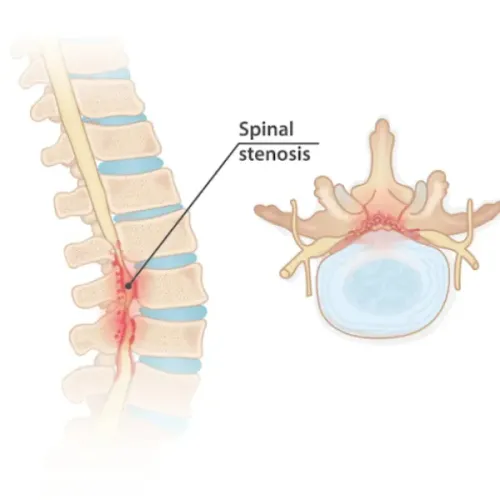
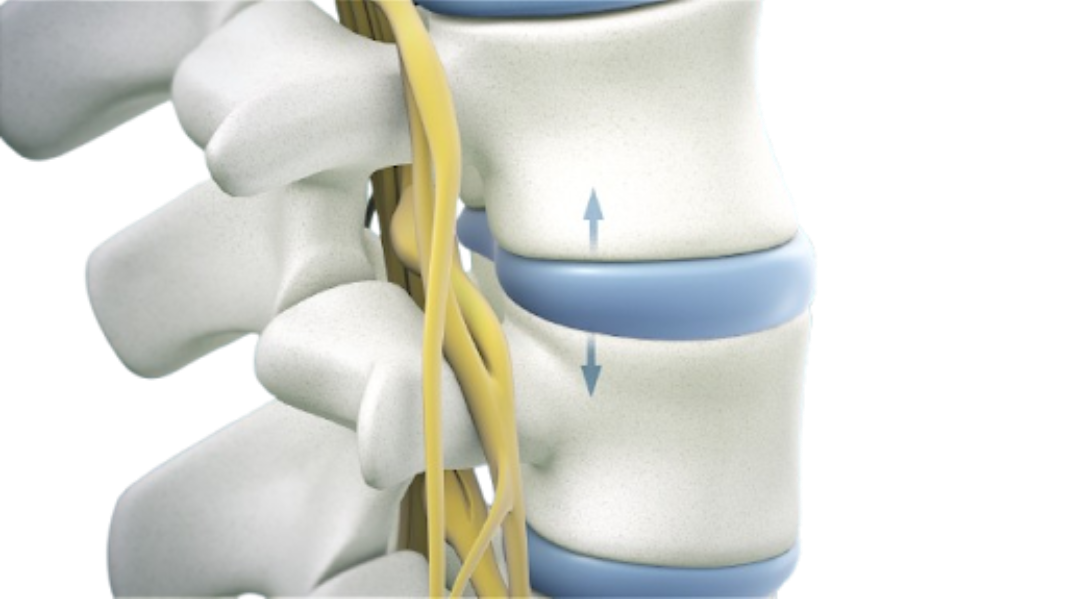
Persistent nerve compression can make standing, walking, sleeping, and routine daily activities increasingly difficult. Spinal Decompression Surgery is designed to create additional space around compressed spinal nerves in carefully selected patients.
For people in Pune and Maharashtra, understanding why decompression has been recommended can make treatment planning easier.
When Decompression Becomes Relevant
Nerve compression may develop because of spinal stenosis, thickened ligaments, disc problems, arthritic changes, or bone overgrowth.
Spinal Decompression Surgery may be considered when there is:
- Persistent leg pain
- Reduced walking ability
- Progressive weakness
- Significant numbness
- MRI-confirmed nerve compression
- Limited response to structured non-surgical treatment
How Spinal Decompression Surgery Works
The operation focuses on removing structures that are reducing space around spinal nerves.
Depending on the condition, the surgeon may address portions of bone, ligament, or disc material.
Some patients need decompression alone, while others require stabilization when spinal instability is present.
Potential Benefits
The procedure may help:
- Reduce nerve-related leg pain
- Improve walking
- Relieve neurological compression
- Improve daily function
- Increase activity tolerance
Results depend on nerve health, symptom duration, and the underlying spinal condition.
Possible Risks
Possible complications include:
- Infection
- Bleeding
- Dural tear
- Nerve injury
- Blood clots
- Persistent symptoms
- Instability
- Anaesthesia-related complications
Individual health conditions can influence surgical risk.
Preparing for Surgery
Patients may undergo:
- Neurological examination
- MRI review
- Blood tests
- Anaesthesia assessment
- Medication evaluation
- Medical fitness testing
Dr. Rahul Chaudhari evaluates whether the level of compression seen on imaging corresponds with the patient's actual symptoms.
Recovery After Decompression
Walking may begin early when clinically appropriate. Hospital stay and rehabilitation vary according to the extent of the operation.
Light activities may resume gradually, while heavy lifting, prolonged travel, demanding exercise, and strenuous work can require more time.
Post-Treatment Care
Following discharge, patients should follow instructions regarding:
- Wound care
- Medication
- Walking
- Physiotherapy
- Lifting restrictions
- Follow-up appointments
Fever, wound discharge, increasing weakness, or new bladder and bowel symptoms require prompt assessment.
Common Questions About Spinal Decompression Surgery
Does decompression always require fusion?
No. Fusion is considered when instability or related structural problems are present.
How long does recovery take?
Functional recovery often takes several weeks and varies between patients.
Can numbness remain after surgery?
Long-standing nerve symptoms can take time to improve and may occasionally persist.
If nerve compression is limiting your walking or daily function, schedule an assessment with Dr. Rahul Chaudhari in Pune to understand whether Spinal Decompression Surgery is clinically appropriate.