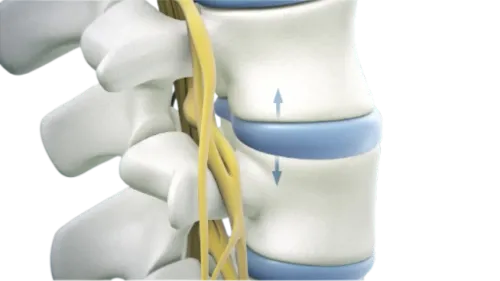
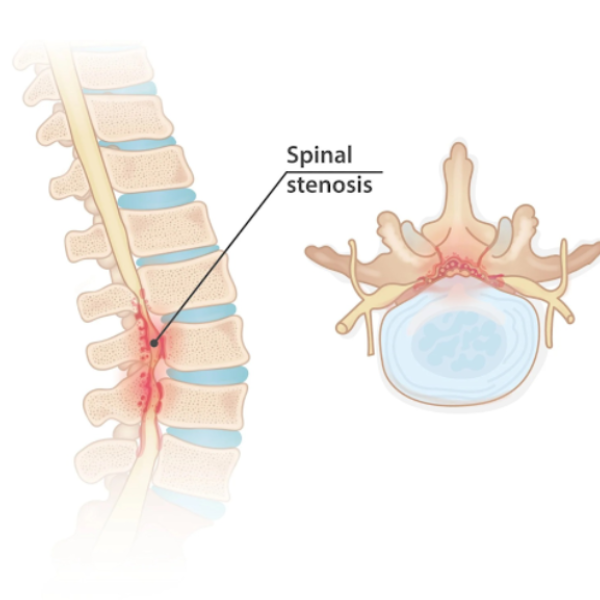
Spinal stenosis develops when space around spinal nerves becomes narrowed. People may experience leg heaviness, pain, tingling, numbness, or weakness after standing or walking. Resting or leaning forward may temporarily reduce these symptoms.
For adults in Pune and Maharashtra, understanding this pattern can help distinguish nerve compression from ordinary muscular back discomfort.
What Causes Spinal Stenosis
The condition often develops because of age-related changes such as:
- Disc degeneration
- Thickened ligaments
- Enlarged joints
- Bone overgrowth
- Reduced spinal canal space
Some people have narrowing on MRI without significant symptoms. Treatment therefore depends on both imaging and clinical findings.
Symptoms That Need Attention
Common symptoms may include:
- Reduced walking distance
- Leg pain during standing
- Numbness
- Leg heaviness
- Weakness
- Lower back discomfort
Progressive weakness or bladder and bowel changes require urgent assessment.
Treatment Options
Mild to moderate symptoms may initially be treated with medication, physiotherapy, activity modification, and exercise.
When severe nerve compression continues to affect daily life despite conservative care, spinal decompression may be considered.
How Decompression Can Help
The procedure creates more room around affected nerves by addressing structures contributing to narrowing.
Some patients may require decompression alone, while others may need stabilization if spinal instability is present.
Recovery After Treatment
Non-surgical treatment can take several weeks before functional improvement becomes noticeable.
After surgery, walking often begins early under supervision. Return to work and unrestricted activity depends on the extent of surgery, age, general health, and neurological symptoms.
Benefits and Risks
Potential benefits include improved walking capacity, reduced leg symptoms, and greater independence.
Possible risks include:
- Infection
- Bleeding
- Dural tear
- Nerve injury
- Persistent symptoms
- Spinal instability
- Blood clots
Preparation and Aftercare
Patients may need imaging, medical fitness testing, and medication review before surgery.
After treatment, wound care, physiotherapy, gradual walking, and lifting precautions are important. Patients should avoid suddenly returning to strenuous activity.
Common Questions About Spinal Stenosis
Does every patient need surgery?
No. Many patients can initially be managed conservatively.
Can physiotherapy help?
It can improve strength, mobility, and functional tolerance in selected patients.
When is surgery considered?
Persistent nerve compression, neurological problems, and significant walking limitation may lead to surgical evaluation.
If Spinal stenosis is steadily reducing your walking distance or independence, a detailed evaluation with Dr. Rahul Chaudhari in Pune can help determine whether continued conservative treatment or decompression is more appropriate.