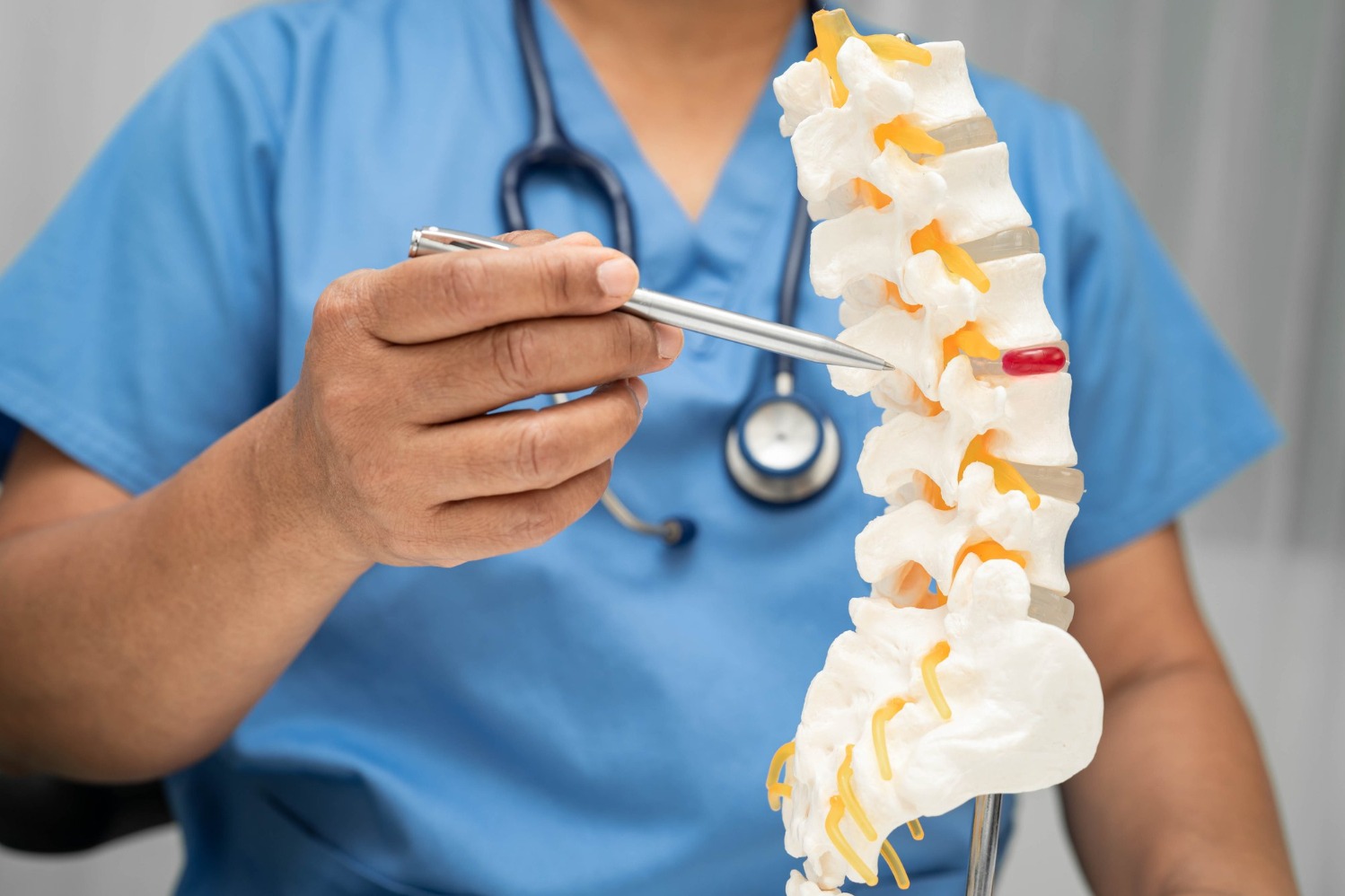
Spinal Decompression Surgery is performed to relieve pressure on spinal nerves or the spinal cord when structural narrowing causes significant symptoms.
Depending on the affected region, patients may experience radiating pain, numbness, weakness, walking difficulty, or neurological dysfunction.
Although decompression can be beneficial for appropriately selected patients, deciding whether surgery is necessary requires more than identifying spinal narrowing on MRI.
For patients in Pune, Maharashtra, understanding surgical indications and recovery expectations can support informed treatment decisions.
When Is Spinal Decompression Surgery Recommended
Surgery may be considered when nerve compression produces persistent disabling symptoms despite appropriate non-surgical treatment.
Progressive neurological weakness, significant walking limitations, and certain spinal cord conditions may also justify surgical intervention.
The decision depends on:
- Symptom severity
- Neurological examination
- Imaging findings
- Functional limitations
- Previous treatment response
- Spinal stability
- General medical fitness
The surgeon should explain which anatomical structures are compressing the nerves and how the proposed procedure addresses them.
Understanding Different Decompression Procedures
Spinal decompression is a broad term covering several operations.
A laminectomy removes part of the vertebral arch to create more space for neural structures.
A laminotomy removes a smaller portion of bone.
A foraminotomy enlarges the opening through which a nerve exits the spine.
A discectomy removes disc material compressing a nerve.
Some patients require a combination of techniques.
The choice depends on the location and cause of compression.
How to Evaluate Surgical Readiness
Before surgery, patients should undergo appropriate clinical assessment.
This may include blood investigations, medication review, anaesthesia evaluation, and assessment of existing medical conditions.
Patients taking blood-thinning medication should receive specific instructions from their treating team.
Diabetes control, smoking status, nutrition, and physical conditioning can influence healing and complication risks.
Patients should also discuss home support and practical arrangements for the initial recovery period.
Is Spinal Fusion Always Required
No. Decompression can often be performed without fusion.
Fusion may be considered when instability, deformity, or other structural factors make additional stabilisation necessary.
Adding fusion increases the extent of surgery and may affect recovery time and complication risks.
Patients should understand the specific reason if fusion is recommended alongside decompression.
Expected Benefits and Surgical Risks
The principal benefit is relief of pressure on affected neurological structures.
Depending on the diagnosis, this may improve leg pain, walking tolerance, arm symptoms, or neurological function.
However, long-standing nerve damage may not recover completely.
Potential risks include infection, bleeding, dural tear, nerve injury, blood clots, persistent pain, and recurrent narrowing.
The risk profile differs between cervical and lumbar procedures.
Recovery After Spinal Decompression Surgery
Recovery varies according to the operation and the patient's condition.
After uncomplicated lumbar decompression, some patients begin walking within the first day.
Light daily activities may resume gradually over the following weeks.
More extensive procedures may require longer rehabilitation.
Patients should follow instructions concerning wound care, lifting restrictions, medication, and physiotherapy.
New weakness, fever, wound discharge, or bladder dysfunction after surgery requires prompt assessment.
Common Questions Before Surgery
Will decompression surgery eliminate all back pain
Not necessarily. Surgery is intended to address symptoms caused by identifiable neurological compression.
How soon can patients walk after surgery
Early supervised walking is common after uncomplicated procedures, but the timeline depends on clinical circumstances.
Can spinal narrowing return
Yes. Degenerative changes may continue, and recurrent symptoms are possible.
Patients considering Spinal Decompression Surgery can consult Dr. Rahul Chaudhari in Pune to discuss imaging findings, surgical indications, and recovery expectations.
Choosing surgery should involve a clear understanding of the problem being treated, the alternatives available, and the likely effect on everyday function.
Keywords