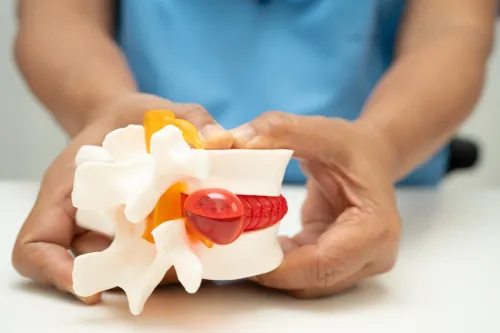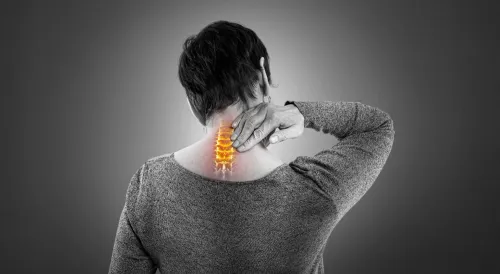

Spinal alignment affects posture, balance, movement, and the distribution of forces across the back. When the spine develops an abnormal curve or significant imbalance, some patients experience pain, fatigue, difficulty standing upright, or reduced mobility.
Spinal Deformity Correction refers to treatments intended to address clinically significant abnormalities in spinal alignment.
Not every spinal curve requires surgery. Treatment depends on the type of deformity, its progression, symptoms, and the patient's overall health.
Which Conditions May Require Spinal Deformity Correction
Spinal deformities can develop during childhood, adolescence, or adulthood.
Common examples include scoliosis, excessive kyphosis, and adult degenerative spinal deformity.
Some conditions are related to congenital differences in spinal development, while others result from degeneration, previous injuries, or earlier spinal surgery.
The effects can vary considerably.
A mild curve may cause no functional difficulty, while a severe deformity may interfere with balance, walking, or daily activities.
How Specialists Assess Spinal Alignment
Evaluation begins with a physical examination and review of symptoms.
The specialist assesses posture, shoulder and pelvic alignment, flexibility, walking patterns, and neurological function.
Standing full-length spinal X-rays are particularly useful because they show alignment under normal weight-bearing conditions.
Measurements may include spinal curvature, pelvic parameters, and overall sagittal balance.
MRI or CT imaging may be recommended when neurological compression, complex anatomy, or surgical planning requires additional information.
Comparing Conservative Care With Surgical Correction
Non-surgical management may be appropriate for patients with mild deformity, stable alignment, or symptoms that can be managed without an operation.
Treatment can include physiotherapy, conditioning, pain management, and selected bracing approaches.
Bracing has an established role in certain growing adolescents with scoliosis, but its usefulness differs in adults.
Surgical correction may be considered when deformity progresses, neurological compression develops, or substantial pain and functional limitations remain despite suitable treatment.
The decision requires careful assessment because deformity surgery can involve extensive reconstruction.
What Happens During Spinal Deformity Correction Surgery
The surgical approach depends on the location, flexibility, and severity of the deformity.
Procedures may involve spinal instrumentation, fusion, decompression, or osteotomies to improve alignment.
Rods, screws, and other implants may be used to maintain the corrected position while fusion develops.
The objective is not necessarily to create a perfectly straight spine.
Instead, surgeons aim to achieve safer alignment, improve balance, and address symptoms while respecting neurological structures.
Benefits and Risks of Surgical Treatment
Potential benefits include improved spinal balance, better standing posture, reduced deformity-related discomfort, and improved function.
However, outcomes vary.
Major risks may include:
- Infection
- Blood loss
- Nerve injury
- Implant complications
- Failure of fusion
- Persistent pain
- Blood clots
- Need for revision surgery
Complex adult deformity procedures may carry greater risks than smaller spinal operations.
Preparing for Treatment and Recovery
Preoperative planning may involve nutritional assessment, bone health evaluation, medication review, and management of existing medical conditions.
Patients undergoing extensive surgery may require several days in hospital and a prolonged rehabilitation programme.
Walking often begins early under supervision, but recovery of strength and endurance may take several months.
Fusion maturation can continue well beyond the initial recovery period.
Common Questions About Spinal Deformity Correction
Can spinal deformity be corrected without surgery
Some symptoms can be managed without surgery. Structural correction depends on the deformity type, skeletal maturity, and treatment approach.
Is spinal fusion always necessary
No. The need for fusion depends on the specific deformity and surgical objectives.
Can older adults undergo deformity correction
Selected older adults may be candidates, but bone quality, medical fitness, functional goals, and surgical risks require careful evaluation.
Patients considering Spinal Deformity Correction in Pune can discuss their imaging and functional concerns with Dr. Rahul Chaudhari.
A thoughtful treatment decision should consider not only the spinal curve but also the patient's mobility, overall health, and realistic expectations.
Keywords