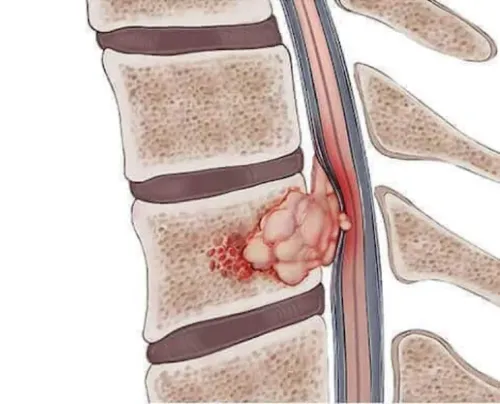

Cervical Myelopathy is a condition in which the spinal cord becomes compressed in the neck region, potentially affecting movement, balance, coordination, and everyday activities. Unlike ordinary neck stiffness, this condition involves pressure on the spinal cord itself and may lead to progressive neurological difficulties.
For patients in Pune and other parts of Maharashtra, recognising the early symptoms of Cervical Myelopathy is important because prolonged spinal cord compression can sometimes cause permanent neurological impairment.
What Causes Cervical Myelopathy
The cervical spine contains seven vertebrae that support the head and protect the spinal cord. Age-related degeneration can gradually reduce the space available for the spinal cord.
Common contributing factors include:
- Cervical disc degeneration
- Herniated cervical discs
- Bone spur formation
- Thickening of spinal ligaments
- Narrowing of the spinal canal
- Ossification of the posterior longitudinal ligament
These changes may develop gradually, which explains why some patients initially dismiss symptoms as ordinary ageing.
Early Symptoms That Should Not Be Ignored
Cervical Myelopathy does not always begin with severe neck pain. In some cases, difficulties with hand coordination and walking become noticeable before significant discomfort develops.
Possible symptoms include:
- Difficulty fastening buttons
- Reduced handwriting control
- Frequent dropping of objects
- Numbness in the hands
- Weakness in the arms
- Unsteady walking
- Difficulty climbing stairs
- Changes in bladder function in advanced cases
Progressive weakness, worsening balance, and new bladder difficulties require prompt medical assessment.
How Cervical Myelopathy Is Diagnosed
Diagnosis begins with a detailed neurological examination.
A spine specialist evaluates muscle strength, reflexes, sensation, walking patterns, and hand coordination. These findings help determine whether the spinal cord may be affected.
MRI is commonly used to identify spinal cord compression, disc abnormalities, ligament thickening, and changes within the spinal cord.
CT scans may provide additional information about bony structures, particularly when surgical planning is necessary.
X-rays can help assess spinal alignment and instability.
Imaging findings must always be interpreted alongside the patient's symptoms and neurological examination.
Understanding Treatment Options
Treatment depends on the severity of spinal cord compression, neurological symptoms, and whether the condition is progressing.
For selected patients with mild, stable symptoms, specialist-supervised monitoring and rehabilitation may be considered.
However, exercises and medication cannot physically remove significant spinal cord compression.
Surgery may be recommended when neurological function is deteriorating or when clinically significant compression creates concern about further damage.
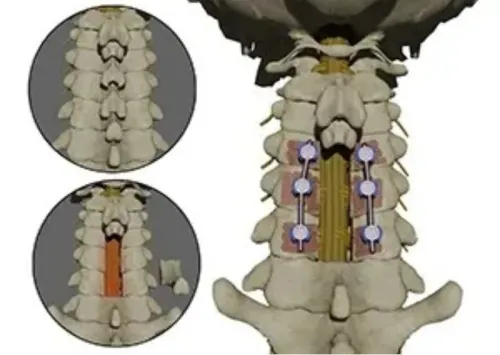
Possible procedures include anterior cervical decompression, cervical fusion, and posterior decompression, depending on the location and extent of compression.
The primary objective of surgery is generally to relieve pressure on the spinal cord and prevent further neurological deterioration. Improvement in existing symptoms varies.
Recovery and Long-Term Expectations
Recovery depends on the severity and duration of spinal cord compression, the treatment performed, and the patient's neurological condition before treatment.
After surgery, patients may begin supervised walking relatively early, while rehabilitation and neurological improvement can continue for several months.
Some symptoms may persist, particularly when spinal cord damage existed before treatment.
Potential surgical risks include infection, bleeding, nerve injury, spinal cord injury, swallowing difficulties with certain anterior procedures, and complications related to implants.
Common Questions About Cervical Myelopathy
Can Cervical Myelopathy improve without surgery
Mild cases may remain stable with careful monitoring, but significant structural spinal cord compression generally cannot be reversed through medication alone.
Is Cervical Myelopathy always painful
No. Some patients experience balance problems, hand clumsiness, and weakness without severe neck pain.
When should a patient seek specialist evaluation
Progressive hand weakness, walking difficulty, frequent falls, and neurological changes deserve timely assessment.
Patients experiencing these symptoms in Pune can seek a detailed cervical spine evaluation from Dr. Rahul Chaudhari to understand the diagnosis and appropriate treatment options.
Recognising Cervical Myelopathy before substantial neurological deterioration offers an opportunity to make informed decisions about protecting spinal cord function.
Keywords