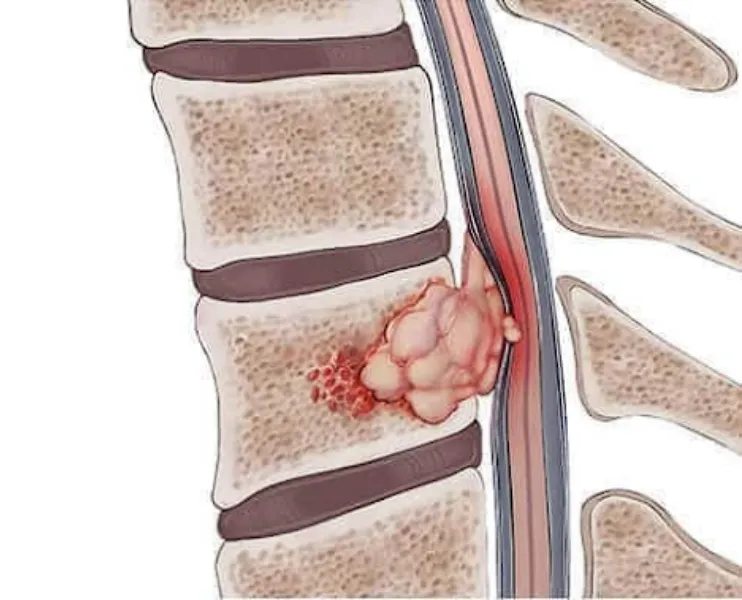
A Spine Tumor can involve the vertebrae, spinal canal, surrounding tissues, nerves, or spinal cord. Some tumors begin in the spine, while others spread from another part of the body.
Because symptoms can resemble common back conditions, unusual or persistent pain patterns deserve proper investigation.
Possible Signs of a Spine Tumor
Symptoms depend on the tumor's location, size, and effect on neurological structures.
Possible signs include:
- Persistent back pain
- Progressive weakness
- Numbness
- Difficulty walking
- Loss of coordination
- Severe night pain
- Bladder and bowel changes
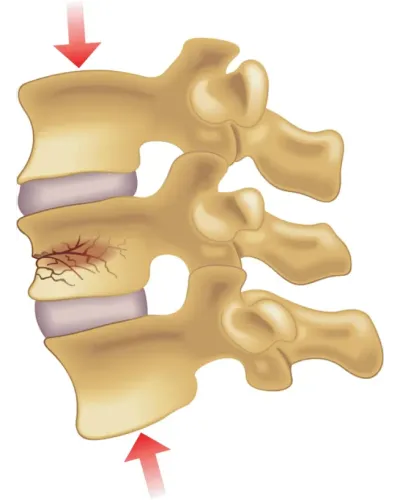
- Pain associated with vertebral weakening
These symptoms can also occur in non-tumor conditions, making accurate diagnosis important.
How Diagnosis Is Established
Assessment may include:
- Neurological examination
- MRI
- CT scans
- Blood tests
- Whole-body evaluation
- Biopsy in selected cases
Treatment planning may involve spine surgery, oncology, radiology, pathology, and other specialties.
How Treatment Is Selected
Treatment depends on:
- Tumor type
- Tumor location
- Neurological compression
- Spinal stability
- Overall health
- Cancer sensitivity to other treatment
Management may include observation, medication, radiotherapy, systemic treatment, surgery, or a combination.
When Surgery May Be Considered
Surgery may be evaluated when the tumor causes:
- Spinal cord compression
- Nerve compression
- Mechanical instability
- Severe structural pain
- Progressive neurological symptoms
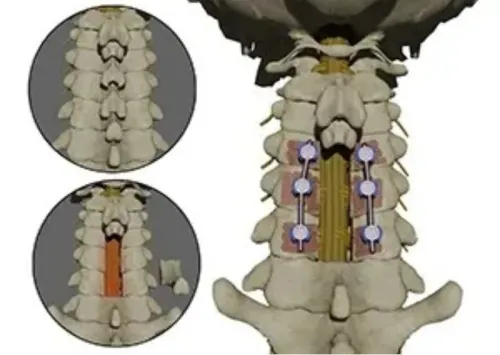
Surgery may involve decompression, stabilization, reconstruction, tissue sampling, or tumor removal where appropriate.
Potential Benefits
Surgical goals may include:
- Protecting neurological function
- Relieving compression
- Stabilizing the spine
- Reducing mechanical pain
- Obtaining tissue for diagnosis
Possible Risks
Risks may include bleeding, infection, nerve injury, spinal cord injury, cerebrospinal fluid leakage, blood clots, wound problems, and anaesthesia complications.
Preparing for Treatment
Patients may require detailed imaging, biopsy results, blood tests, medical optimization, and coordination with cancer specialists.
Nutrition, blood counts, ongoing cancer treatment, and overall fitness can affect treatment timing.
Recovery and Follow-Up
Recovery varies considerably according to the tumor and treatment performed. Physiotherapy, walking support, neurological monitoring, and follow-up imaging may form part of care.
Common Questions About Spine Tumor Care
Does a spinal tumor always mean cancer?
No. Tumors may be benign or malignant.
Is surgery always required?
No. Treatment depends on tumor biology, neurological effects, and spinal stability.
If imaging has shown a Spine Tumor or persistent neurological symptoms require further assessment, arrange a consultation with Dr. Rahul Chaudhari in Pune for evaluation of spinal stability and treatment requirements.
Keywords