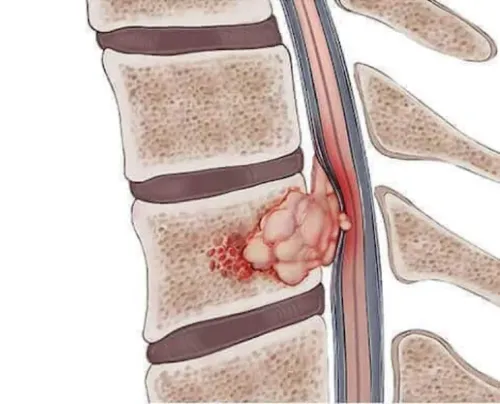
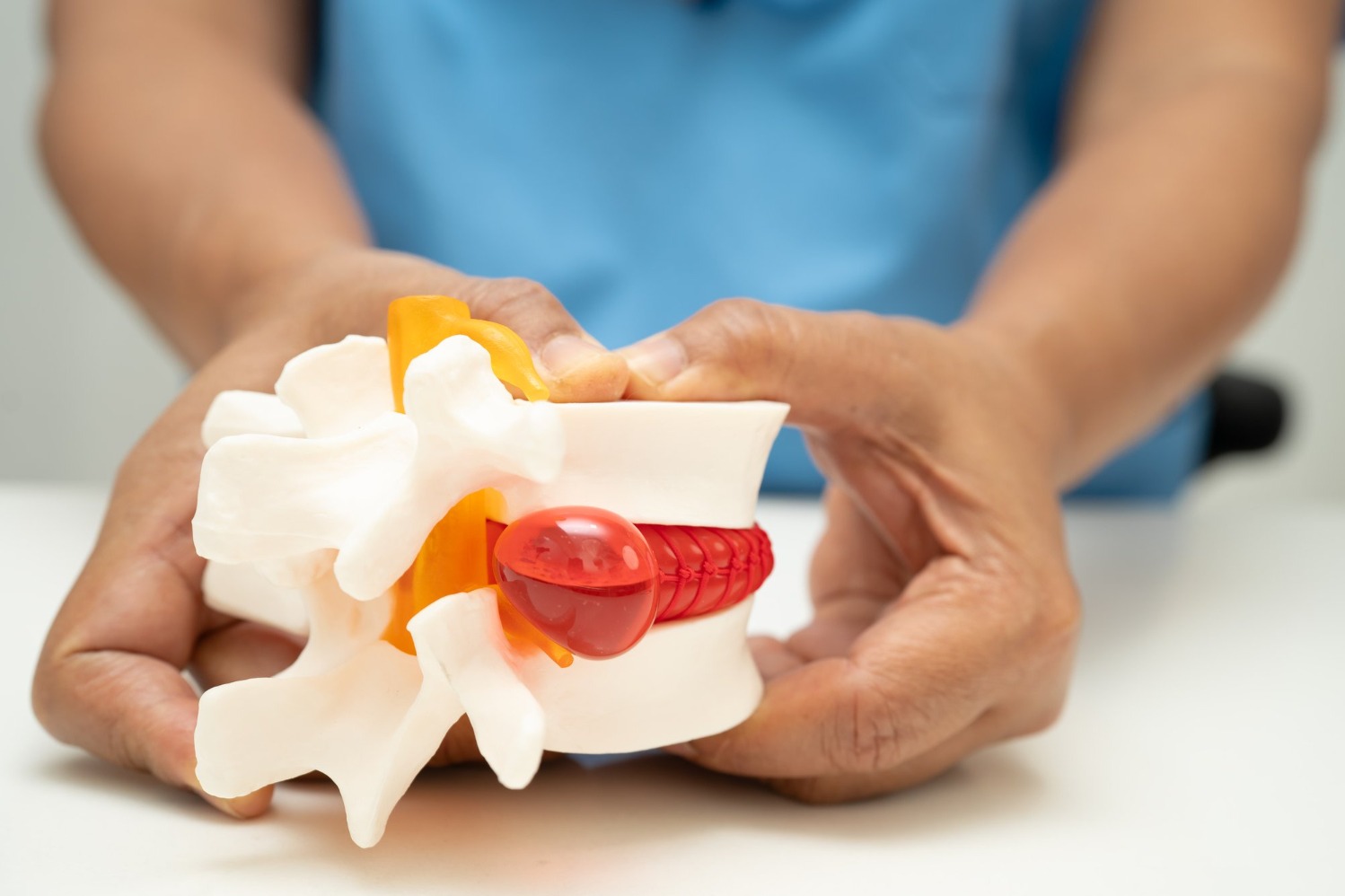
Degenerative Disc Disease describes changes in the spinal discs that develop as their structure and function alter over time. Although the name sounds alarming, disc degeneration is common with aging and does not always cause pain.
Some individuals have considerable disc degeneration on imaging without noticeable symptoms. Others experience persistent discomfort, stiffness, and restricted movement.
Understanding this difference is important for adults experiencing recurring back pain in Pune and surrounding areas of Maharashtra.
What Happens to Spinal Discs Over Time
Spinal discs sit between the vertebrae and help distribute mechanical loads during movement.
Each disc contains a softer central region surrounded by a stronger outer layer.
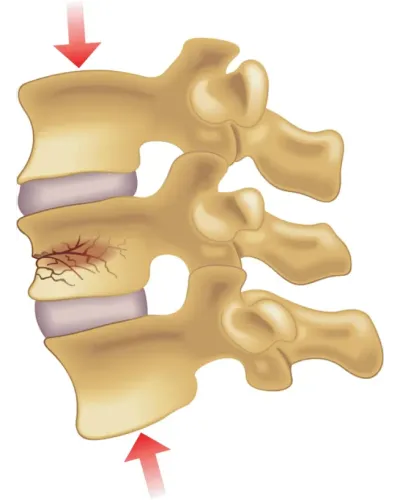
Over time, discs may lose water content, become thinner, and develop structural changes.
These changes can influence spinal movement and load distribution.
Disc degeneration may also occur alongside:
- Facet joint arthritis
- Disc bulging
- Reduced disc height
- Bone spur formation
- Narrowing around spinal nerves
- Changes in surrounding vertebral structures
However, these findings do not automatically explain every episode of back pain.
Recognising Symptoms of Degenerative Disc Disease
Symptoms vary depending on the affected spinal region and whether nearby nerves are involved.
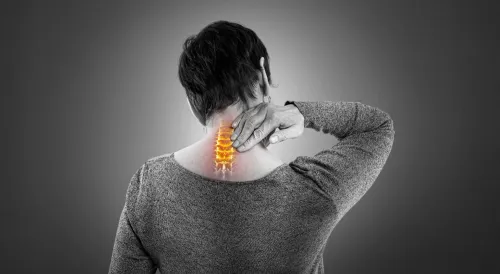
Lumbar disc degeneration may contribute to lower back discomfort, while cervical disc degeneration can be associated with neck pain.
Patients may notice stiffness after prolonged sitting, discomfort during certain movements, and recurring episodes of pain.
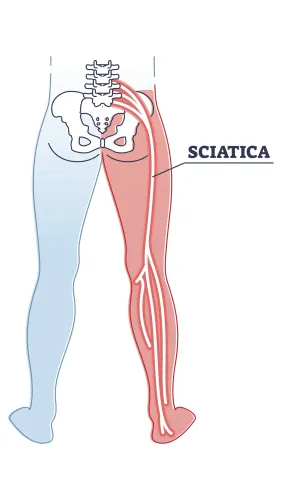
When nerve irritation occurs, symptoms may extend into an arm or leg.
The location of pain, its relationship to movement, and the presence of neurological symptoms help determine whether disc degeneration is clinically significant.
Factors That Can Influence Disc Health
Age is an important factor, but spinal degeneration is influenced by several elements.
Genetic predisposition, smoking, previous injuries, occupational demands, and general physical conditioning may contribute.
Prolonged sitting does not necessarily cause Degenerative Disc Disease, although remaining in one position for extended periods can aggravate symptoms in some people.
Patients working in offices, manufacturing facilities, and other occupations across Pune may benefit from understanding how daily activities affect their existing spinal condition.
When Is Imaging Necessary
Not every patient with back pain requires immediate MRI scanning.
A clinical examination usually comes first.
Imaging may become appropriate when symptoms persist despite initial care, neurological abnormalities appear, or a serious underlying condition is suspected.
MRI can show disc dehydration, disc height changes, nerve compression, and associated spinal abnormalities.
The most useful diagnosis connects the patient's symptoms with examination findings and relevant imaging changes.
Managing Degenerative Disc Disease Without Surgery
Many patients can manage symptoms through conservative treatment.
A personalised plan may include:
- Physiotherapy
- Gradual strengthening exercises
- Activity modification
- Appropriate pain medication
- Smoking cessation
- Weight management when relevant
- Guidance on lifting and movement
Remaining reasonably active is often preferable to prolonged bed rest.
Exercises should be selected according to symptoms and functional limitations rather than copied from general online routines.
When More Advanced Treatment Is Considered
Persistent disabling pain, significant nerve compression, progressive weakness, and certain structural problems may justify further evaluation.
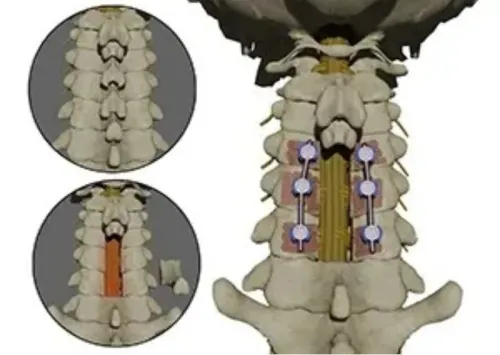
Depending on the diagnosis, treatment options can include targeted injections or surgery.
Surgery is not routinely recommended simply because an MRI shows degenerative changes.
The expected benefits must be weighed against possible complications, including infection, nerve injury, persistent pain, and the need for additional treatment.
Recovery time also differs considerably between conservative management and individual surgical procedures.
Frequently Asked Questions About Disc Degeneration
Can damaged spinal discs become normal again
Age-related structural changes generally cannot be completely reversed, but symptoms and physical function can often improve.
Does Degenerative Disc Disease always require surgery
No. Most patients are initially managed without surgery unless specific neurological problems demand more urgent intervention.
Can exercise help reduce symptoms
Appropriate strengthening and mobility exercises can improve function and help manage pain, although exercise does not restore a degenerated disc to its original structure.
Patients in Maharashtra experiencing recurring spinal discomfort can discuss their symptoms with a spine specialist such as Dr. Rahul Chaudhari when further assessment is needed.
The central goal is to identify the actual source of pain and choose treatment according to symptoms, function, and neurological findings rather than imaging changes alone.
Keywords