Sciatica is a common cause of pain that travels from the lower back through the buttock and into the leg. The discomfort can range from occasional tingling to sharp, shooting pain that makes sitting, walking, and sleeping difficult.
Although many cases improve without surgery, persistent or worsening symptoms may indicate irritation or compression of a spinal nerve.
For patients in Pune and across Maharashtra, understanding the causes of Sciatica can help them recognise when home care is reasonable and when specialist assessment becomes necessary.
What Causes Sciatica Pain
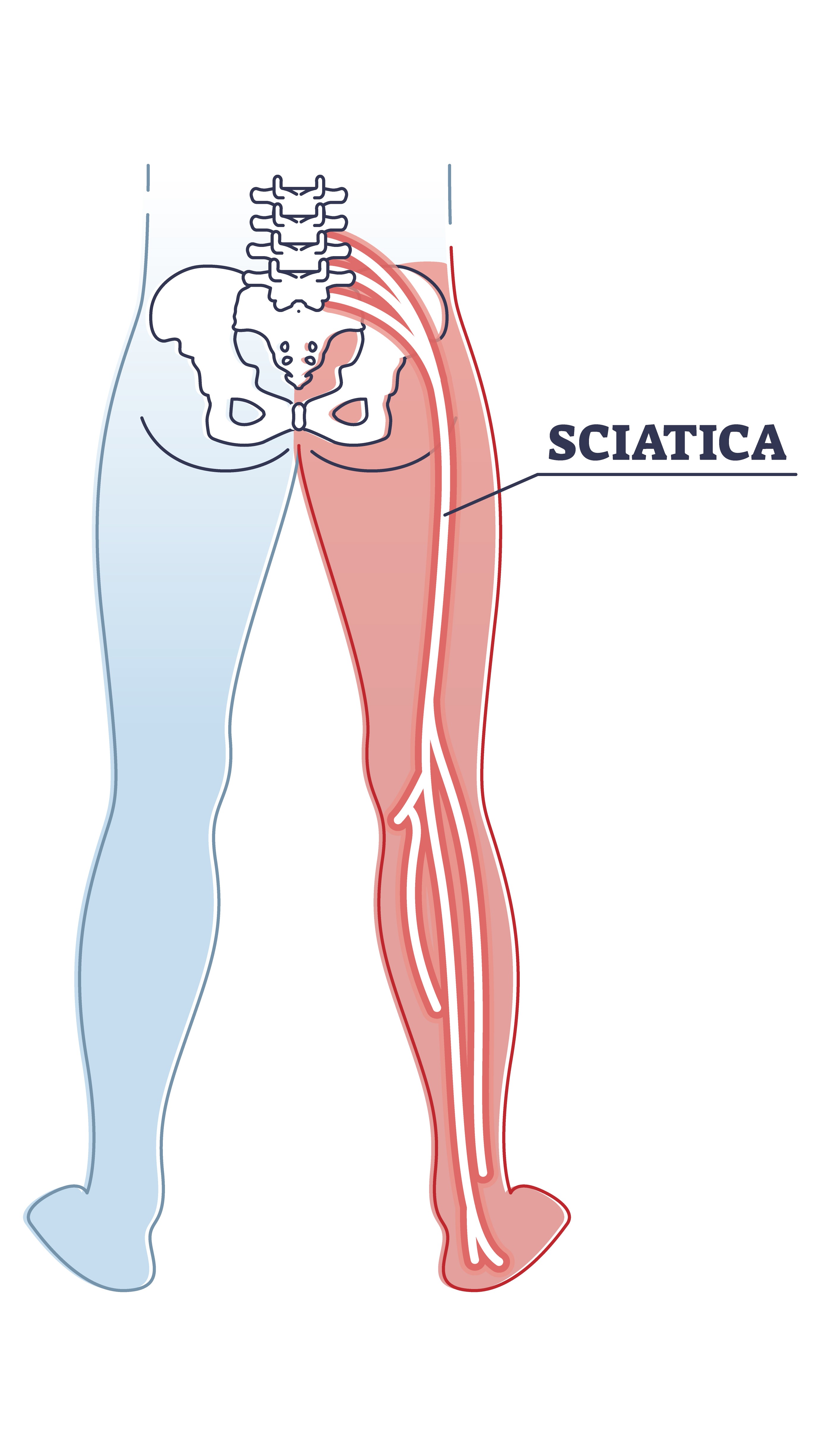
The sciatic nerve is formed from nerve roots in the lower spine. When these nerve roots become irritated, pain can travel along the nerve's distribution.
Common causes include:
- Lumbar disc herniation
- Spinal canal narrowing
- Degenerative spinal changes
- Spondylolisthesis
- Foraminal narrowing
- Certain spinal injuries
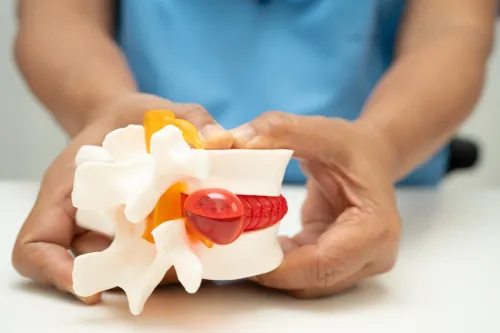
A slipped disc is a frequent cause, particularly among younger and middle-aged adults.
However, Sciatica describes a symptom pattern rather than a single underlying disease.
How Sciatica Symptoms Differ From Ordinary Back Pain
Ordinary mechanical back pain often remains concentrated around the lower back.
Sciatica typically produces symptoms extending into one leg, sometimes reaching the foot.
Patients may experience burning pain, electric shock-like sensations, numbness, tingling, or muscle weakness.
Symptoms can become more noticeable during prolonged sitting, coughing, bending, or certain movements.
A clinical examination helps identify which nerve root may be involved.
Understanding the Initial Treatment Approach
Many cases improve over several weeks with appropriate conservative care.
Treatment may include short-term pain medication, guided physiotherapy, and gradual return to normal activities.
Prolonged bed rest is generally discouraged because it can contribute to stiffness and reduced physical conditioning.
Patients should avoid repeatedly performing movements that significantly aggravate radiating leg pain.
An individualised exercise programme may focus on maintaining mobility, improving trunk strength, and restoring normal movement patterns.
When Is an MRI Recommended
An MRI is not automatically required during the first few days of uncomplicated Sciatica.
Imaging becomes more relevant when symptoms remain severe, fail to improve with appropriate treatment, or are accompanied by neurological deficits.
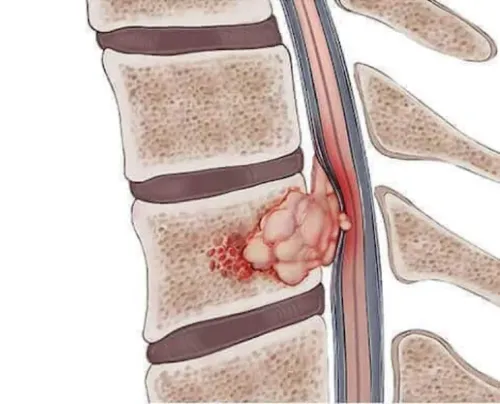
MRI can help identify disc herniation, nerve compression, and spinal canal narrowing.
The imaging findings should correspond with the patient's symptoms before invasive treatment is considered.
When Surgery May Become Necessary
Surgery may be considered when disabling leg pain persists despite suitable non-surgical treatment or when significant neurological deterioration occurs.
For a confirmed lumbar disc herniation, microdiscectomy may be an option.
The procedure removes the disc material compressing the affected nerve.
The expected benefit is relief of nerve-related leg pain, although improvement is not guaranteed.
Potential risks include infection, bleeding, nerve injury, dural tear, recurrent disc herniation, and persistent symptoms.
Recovery depends on the procedure, neurological condition, and physical demands of the patient's work.
Warning Signs Requiring Immediate Assessment
Certain symptoms should never be treated as routine Sciatica.
Seek emergency medical assessment for:
- New difficulty passing urine
- Loss of bladder or bowel control
- Numbness around the groin
- Rapidly worsening leg weakness
- Severe symptoms affecting both legs
These findings can indicate serious nerve compression requiring urgent investigation.
Common Questions About Sciatica
How long does Sciatica usually last
Many patients improve within several weeks, although some experience symptoms lasting longer.
Is walking helpful during Sciatica
Gentle walking is often beneficial when tolerated. Activity should be adjusted if symptoms worsen substantially.
Can Sciatica return after treatment
Yes. Recurrence is possible, particularly when underlying spinal degeneration or disc problems remain.
Patients with persistent radiating leg pain in Pune may undergo clinical evaluation with Dr. Rahul Chaudhari to identify the affected nerve and determine whether conservative care remains appropriate.
The most effective treatment decisions begin with understanding why the nerve is irritated rather than treating every episode of leg pain in the same way.
Keywords