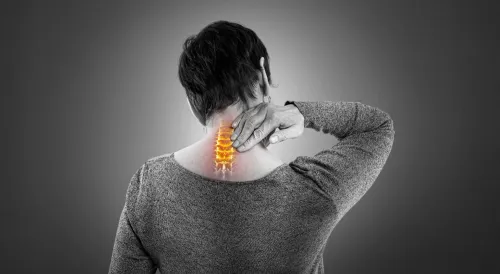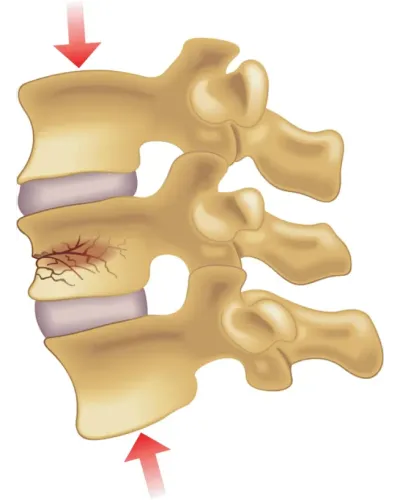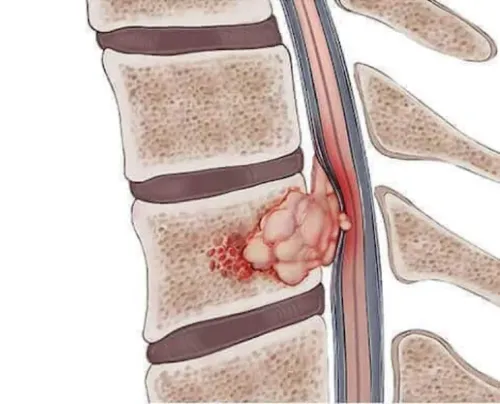
Cervical spinal cord compression can cause hand clumsiness, grip weakness, balance changes, leg stiffness, numbness, and difficulty walking. In selected patients with compression across multiple cervical levels, Posterior Cervical Decompression may be considered.
The decision depends on spinal alignment, neurological symptoms, number of affected levels, and overall stability.
Understanding Posterior Cervical Decompression
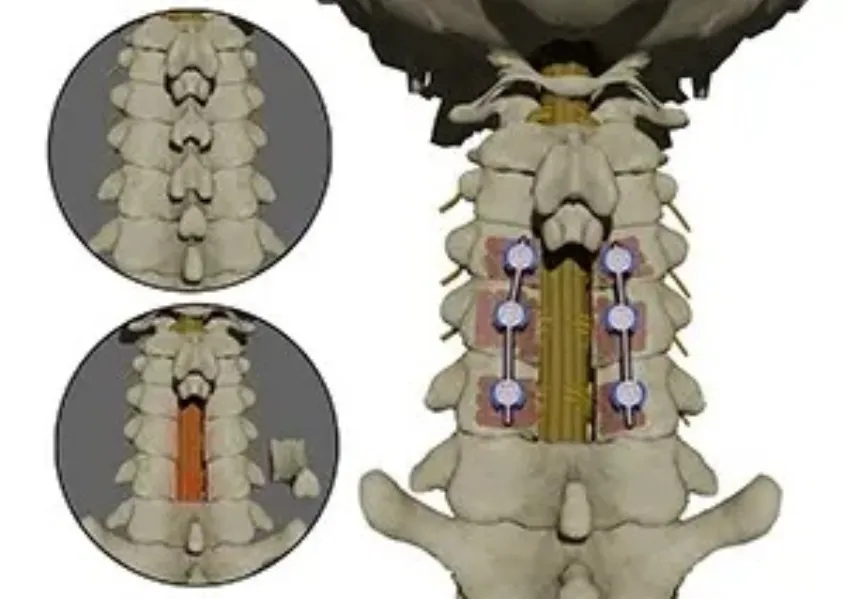
The cervical spine is approached through the back of the neck.
The operation creates additional space for the spinal cord by addressing structures contributing to narrowing.
Some patients require decompression alone, while others may need stabilization when instability or deformity is present.
When This Approach May Be Used
Posterior Cervical Decompression may be considered for:
- Multilevel cervical stenosis
- Cervical myelopathy
- Spinal cord compression
- Selected ligament-related narrowing
- Conditions affecting several cervical levels
MRI findings are assessed together with symptoms and neurological examination.
Potential Benefits
Possible benefits include:
- Reduced spinal cord compression
- Improved walking ability
- Better hand function
- Reduced neurological symptoms
- Prevention of further deterioration in selected cases
Long-standing spinal cord injury may not fully reverse.
Possible Risks
Risks may include:
- Infection
- Bleeding
- Dural tear
- Nerve injury
- Spinal cord injury
- Persistent neck discomfort
- Shoulder muscle weakness
- Instability
- Implant-related problems
Preparing for Surgery
Evaluation may involve MRI, X-rays, blood tests, medical fitness, and medication review.
Patients should mention diabetes, smoking, heart disease, blood-thinning medicines, previous neck surgery, and current walking difficulty.
Recovery After Surgery
Walking may begin under supervision when medically appropriate.
Muscular stiffness and discomfort can occur in the early recovery period because the surgical approach passes through tissues at the back of the neck.
Return to work, driving, lifting, and exercise depends on the extent of surgery and whether stabilization is included.
Post-Treatment Care
Rehabilitation may include:
- Gradual walking
- Safe posture
- Neck mobility guidance
- Strength exercises
- Physiotherapy
- Follow-up imaging
Common Questions About Posterior Cervical Decompression
Will symptoms improve immediately?
Some symptoms may improve gradually, while established spinal cord damage can persist.
Does every decompression require fusion?
No. Stabilization depends on alignment, instability, and surgical technique.
Why is early evaluation important?
Progressive spinal cord compression can lead to worsening neurological function.
If hand clumsiness, balance difficulty, progressive weakness, or walking problems are linked to cervical spinal cord compression, an assessment with Dr. Rahul Chaudhari in Pune can help determine whether Posterior Cervical Decompression is appropriate.
Keywords