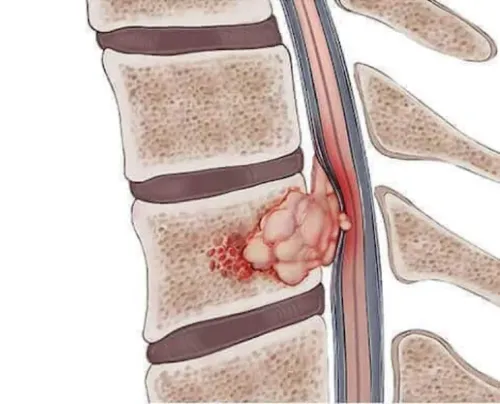
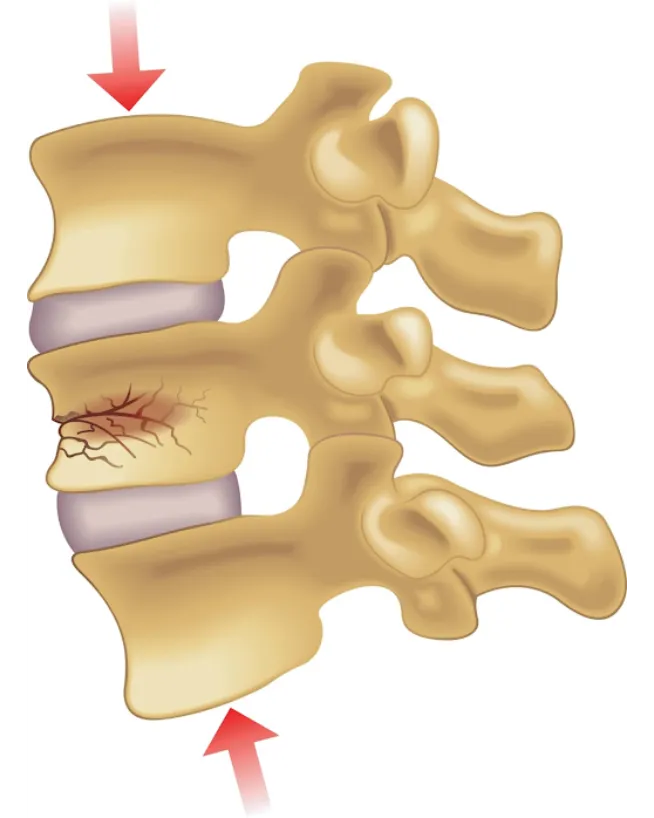
A Spine Fracture can occur after road accidents, falls, sports injuries, osteoporosis, or other conditions that weaken bone. Some fractures remain stable, while others can threaten spinal alignment, nerves, or the spinal cord.
For patients in Pune and across Maharashtra, early evaluation is important after significant trauma or sudden severe spinal pain.
Understanding Spine Fracture Severity
Doctors assess more than pain intensity. Important factors include:
- Fracture pattern
- Spinal stability
- Neurological function
- Spinal alignment
- Bone quality
- Location of injury
X-rays, CT scans, MRI, and neurological examination may be required.
Warning Signs After Injury
Important symptoms include:
- Severe pain after trauma
- Arm or leg weakness
- Numbness
- Difficulty walking
- Increasing spinal deformity
- Bladder and bowel changes
Neurological symptoms after trauma require urgent assessment.
When Non-Surgical Treatment May Be Used
Stable fractures without significant nerve compression may be managed using:
- Medication
- Activity modification
- Bracing in selected cases
- Physiotherapy
- Osteoporosis treatment
- Follow-up imaging
Patients should avoid self-directed heavy exercise until fracture stability has been confirmed.
When Surgery May Be Considered
Surgery may be evaluated when the Spine Fracture is unstable, causes neurological compression, or produces significant deformity.
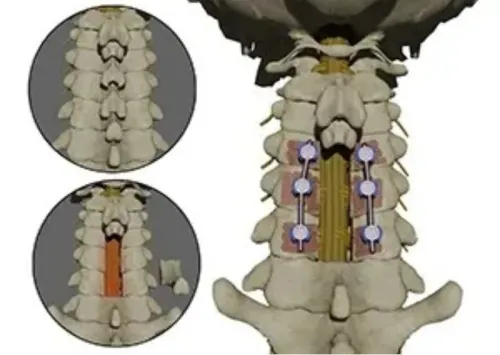
Treatment can involve decompression, fixation, fusion, reconstruction, or selected minimally invasive procedures.
Potential Benefits
When clinically indicated, surgery may help:
- Stabilize the spine
- Protect neurological structures
- Restore alignment
- Improve mobility
- Support earlier rehabilitation
Possible Risks
Potential surgical complications include:
- Infection
- Bleeding
- Nerve injury
- Spinal cord injury
- Blood clots
- Implant complications
- Wound problems
- Delayed bone healing
Preparing for Treatment
Emergency fractures may allow limited preparation. When possible, treatment planning includes imaging, blood tests, medical assessment, and medication review.
Patients with osteoporosis should also have their underlying bone weakness addressed to reduce future fracture risk.
Recovery After a Spine Fracture
Recovery can take several weeks to months depending on the injury and treatment.
Rehabilitation may include gradual walking, physiotherapy, strengthening, safe movement techniques, and guidance about returning to work.
Nutrition, protein intake, bone health management, and fall prevention are also important.
Common Questions About Spine Fracture
Does every fracture need surgery?
No. Stable fractures can often be managed without surgery.
How long does healing take?
Healing depends on fracture severity, treatment, age, and bone quality.
Can osteoporosis cause a fracture after a minor fall?
Yes. Fragility fractures can occur when bones are significantly weakened.
If you have sustained a spinal injury or have been diagnosed with a Spine Fracture, arrange an evaluation with Dr. Rahul Chaudhari in Pune to understand fracture stability, neurological safety, and the most suitable treatment pathway.
Keywords