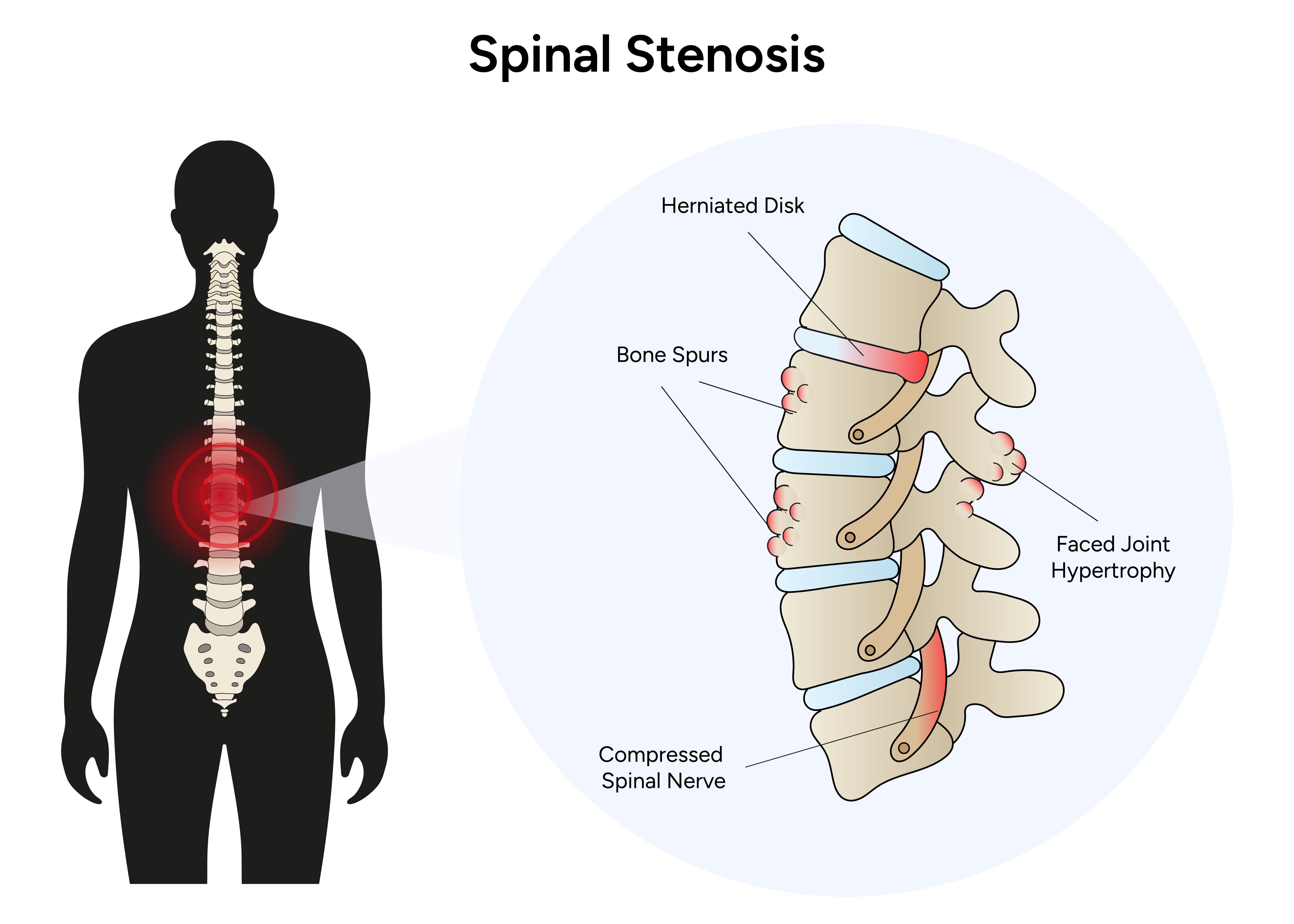
Spinal stenosis develops when spaces within the spine become narrowed, potentially placing pressure on the spinal cord or nerve roots. The condition is more common with increasing age and may gradually affect walking, standing, and daily mobility.
Some people have spinal narrowing on imaging without symptoms. Others experience considerable difficulty performing routine activities.
For older adults in Pune and neighbouring Maharashtra communities, recognising the functional effects of Spinal stenosis can help guide appropriate treatment decisions.
Why Spinal Stenosis Develops
Age-related spinal changes are among the most common causes.
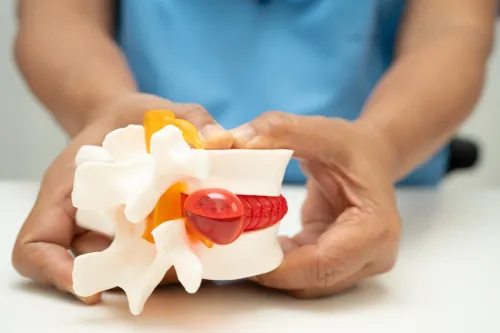
As spinal structures change, discs may lose height, facet joints may enlarge, and surrounding ligaments may thicken.
These changes can reduce the available space for nerves.
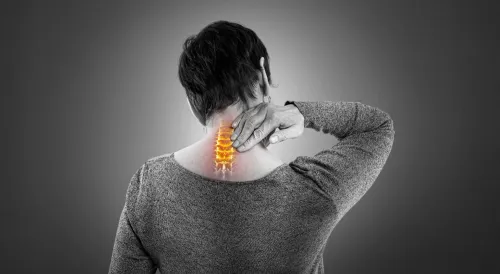
Spinal stenosis may affect the cervical spine in the neck or the lumbar spine in the lower back.
The symptoms depend on the affected region and the degree of neurological involvement.
Understanding Walking-Related Symptoms
Lumbar spinal stenosis frequently causes neurogenic claudication.
This refers to pain, heaviness, tingling, or weakness in the legs that develops during standing or walking.
Symptoms often improve when the patient sits or bends forward.
Some individuals find that walking while leaning on a shopping trolley feels easier than walking upright.
This happens because spinal position can influence the available space around compressed nerves.
However, leg discomfort during walking can also result from poor blood circulation, hip disorders, and other conditions.
How Spinal Stenosis Is Evaluated
Diagnosis involves reviewing the patient's symptoms, walking limitations, neurological findings, and imaging results.
MRI is commonly used to assess narrowing around the spinal cord and nerve roots.
X-rays may help evaluate spinal alignment and degenerative changes.
In selected patients, additional investigations may be required to distinguish neurological symptoms from vascular disease.
A clinically meaningful diagnosis depends on whether imaging findings explain the patient's actual difficulties.
Non-Surgical Management for Spinal Stenosis
Mild to moderate symptoms may be managed conservatively.
Treatment can involve:
- Physiotherapy
- Flexion-tolerant exercises
- Muscle strengthening
- Activity modification
- Appropriate medication
- Walking programmes adjusted to tolerance
- Selected spinal injections
Injections may provide temporary symptom relief for certain patients, but they do not permanently enlarge a narrowed spinal canal.
Treatment should consider overall health, balance, walking capacity, and individual goals.
When Decompression Surgery Is Considered
Surgery may become appropriate when walking limitations remain severe despite suitable treatment or when progressive neurological deficits develop.
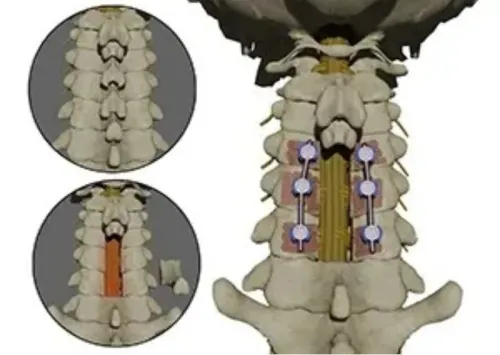
Lumbar decompression involves removing structures contributing to nerve compression.
Depending on the condition, the procedure may include laminectomy or other targeted decompression techniques.
Fusion is not necessary for every patient and is generally considered when instability or specific structural problems justify additional stabilisation.
Potential complications include infection, bleeding, nerve injury, dural tear, blood clots, and persistent symptoms.
Recovery and Functional Improvement
Recovery depends on the extent of surgery and the patient's preoperative condition.
Some patients begin walking with assistance shortly after surgery.
Others require a longer rehabilitation period to rebuild endurance and confidence.
Improvement in walking-related leg symptoms may occur earlier than recovery from long-standing weakness.
Physiotherapy, safe movement, wound care, and follow-up appointments support rehabilitation.
Questions Patients Frequently Ask
Can Spinal stenosis improve without surgery
Symptoms may improve through conservative management, although structural narrowing usually remains.
Does every patient with severe MRI narrowing need surgery
No. Treatment decisions depend on symptoms, neurological findings, functional limitations, and overall clinical circumstances.
Can Spinal stenosis cause permanent nerve problems
Severe or prolonged compression can sometimes contribute to lasting neurological impairment.
Patients in Pune experiencing reduced walking tolerance can consult Dr. Rahul Chaudhari for assessment of spinal narrowing and its relationship to their symptoms.
Understanding the cause of limited mobility helps determine whether rehabilitation, monitoring, or surgical treatment offers the most appropriate next step.
Keywords