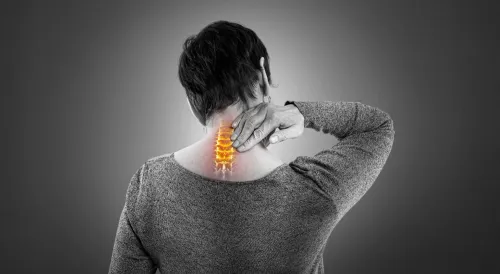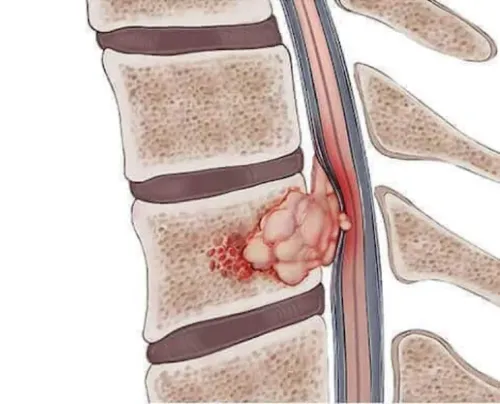
Neck pain accompanied by arm pain, numbness, tingling, or weakness can develop when a cervical disc compresses a nerve. In selected patients, Cervical Disc Replacement may be considered when appropriate non-surgical treatment has not provided adequate relief.
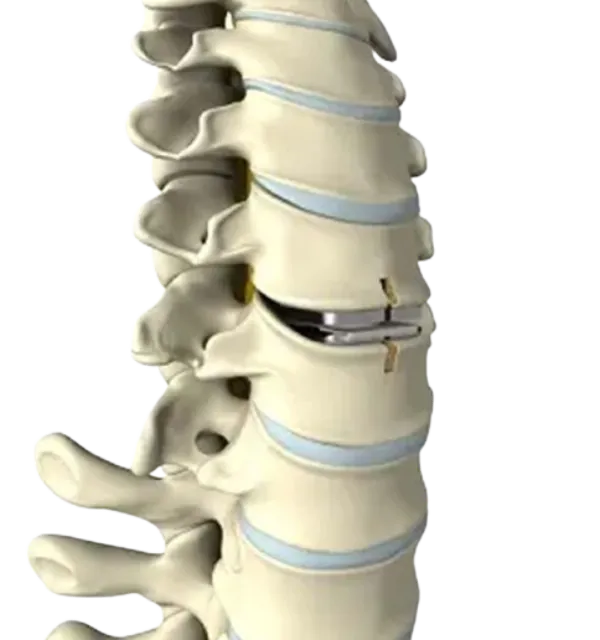
The procedure aims to remove the damaged disc while preserving movement at the treated spinal level.
Understanding Cervical Disc Replacement
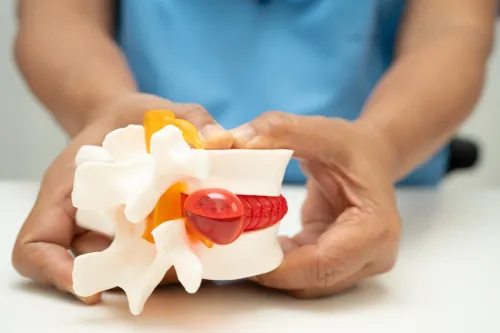
The affected disc is approached from the front of the neck. Disc material and structures pressing on the nerve are removed before an artificial disc is positioned within the disc space.
The aim is to decompress neurological structures while maintaining movement where clinically suitable.
Who May Be Suitable
Possible candidates may have:
- Cervical disc disease
- Arm pain caused by nerve compression
- Persistent neurological symptoms
- Suitable bone quality
- Preserved spinal movement
- Imaging findings matching symptoms
Advanced arthritis, instability, severe deformity, and poor bone quality may require another treatment approach.
Potential Benefits
Possible advantages include:
- Nerve decompression
- Preservation of motion
- Improvement in arm pain
- Better daily function
- Avoidance of fusion at the treated level
Correct patient selection remains essential.
Possible Risks
Risks can include:
- Infection
- Bleeding
- Nerve injury
- Spinal cord injury
- Swallowing difficulty
- Voice changes
- Implant movement
- Persistent symptoms
- Abnormal bone formation
Preparing for Surgery
Preoperative assessment may include MRI, X-rays, blood tests, medical fitness, and medication review.
Patients should discuss diabetes, smoking, previous neck surgery, allergies, bone health, and blood-thinning medicines.
Recovery After Cervical Disc Replacement
Patients may begin mobilizing early when medically stable. Mild throat discomfort can occur after surgery because the cervical spine is approached from the front.
Return to office work may be possible within several weeks for some patients, while lifting and strenuous activities require additional time.
Post-Treatment Care
Follow-up may include imaging to evaluate implant position and movement.
Patients should follow guidance regarding:
- Wound care
- Medication
- Neck movement
- Driving
- Exercise
- Physiotherapy
Common Questions About Cervical Disc Replacement
Does an artificial disc move like a natural disc?
It is designed to preserve movement but cannot replicate every property of a natural disc.
Is Cervical Disc Replacement suitable for every patient?
No. Anatomy, joint condition, bone quality, and spinal stability affect suitability.
How soon can normal activity resume?
Recovery varies according to surgery, occupation, and overall health.
If cervical disc disease is causing persistent arm pain, numbness, or weakness, an assessment with Dr. Rahul Chaudhari in Pune can help determine whether Cervical Disc Replacement is a suitable treatment option.
Keywords