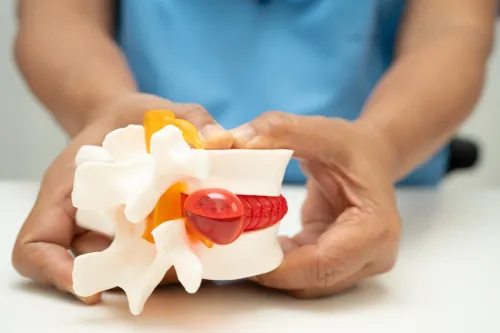
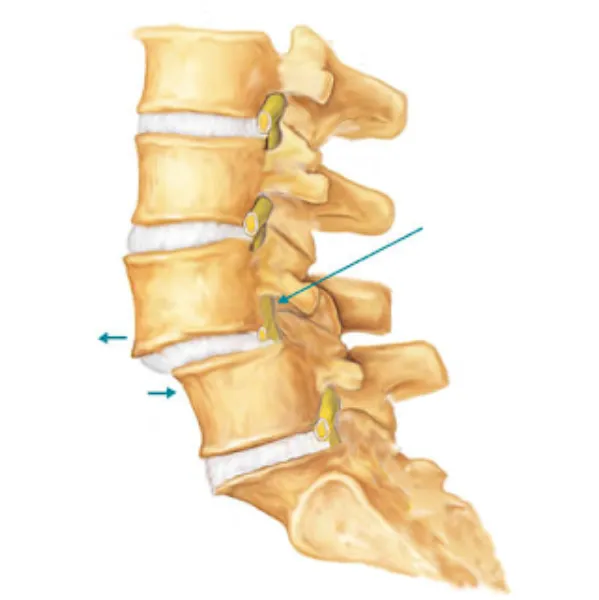
Spondylolisthesis occurs when one vertebra shifts relative to another. Some patients have minimal symptoms, while others develop persistent lower back pain, leg pain, weakness, numbness, or difficulty walking.
For patients in Pune, the presence of vertebral slippage on an X-ray does not automatically mean surgery is required.
Understanding Spondylolisthesis
The condition may develop because of degeneration, structural defects, trauma, congenital changes, or other spinal problems.
Symptoms can arise from instability, nerve compression, or both.
Diagnosis may involve:
- Standing X-rays
- MRI
- Neurological examination
- Dynamic imaging in selected cases
Treatment Without Surgery
Many patients can initially be treated with:
- Medication
- Activity modification
- Physiotherapy
- Core strengthening
- Flexibility exercises
- Weight management
- Lifting guidance
The goal is to improve function while reducing stress on the affected segment.
When Surgery May Be Considered
Surgery may be evaluated when pain remains disabling, neurological symptoms progress, or clinically significant instability is present.
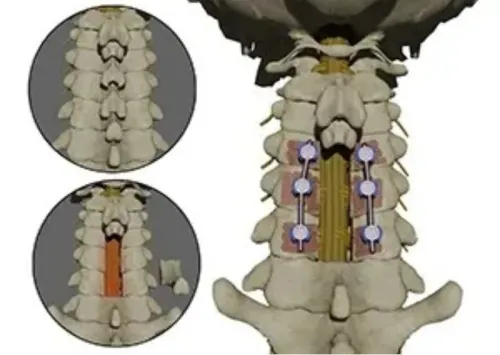
Treatment can involve decompression, stabilization, fusion, or a combination depending on the condition.
Potential Benefits
For selected patients, surgery may help:
- Relieve nerve pressure
- Reduce leg symptoms
- Improve walking
- Stabilize an unstable segment
- Improve everyday function
Possible Risks
Risks may include:
- Infection
- Bleeding
- Nerve injury
- Dural tear
- Blood clots
- Implant-related complications
- Non-union after fusion
- Persistent symptoms
Smoking, osteoporosis, diabetes, and obesity can influence healing.
Preparing for Treatment
Patients should bring previous reports, imaging, and a complete medication list to their consultation.
If fusion is planned, smoking cessation is particularly important because nicotine can interfere with bone healing.
Recovery and Rehabilitation
Recovery depends on the extent of surgery. Walking may begin early, but bone fusion can take several months.
Temporary restrictions may apply to bending, lifting, driving, and strenuous activity.
Physiotherapy may be introduced gradually according to the recovery stage.
Common Questions About Spondylolisthesis
Can mild slippage be treated without surgery?
Yes. Many patients can initially be managed conservatively.
Does more slippage always mean more pain?
No. Symptoms depend on instability, nerve compression, and individual anatomy.
Can exercise help?
Appropriate exercises can improve strength and function when selected according to the condition.
If Spondylolisthesis is causing persistent pain, weakness, or walking difficulty, an evaluation with Dr. Rahul Chaudhari in Pune can help determine whether conservative care or surgical stabilization is more appropriate.
Keywords