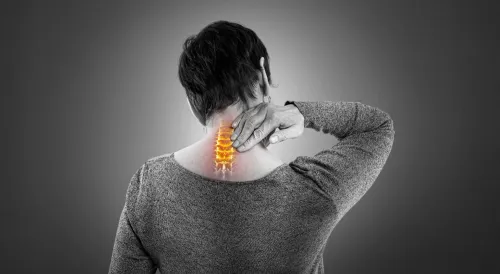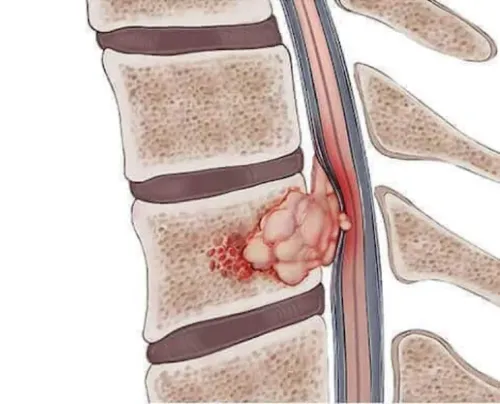
Neck pain combined with arm pain, tingling, numbness, weakness, hand clumsiness, or balance difficulty can occur when a cervical disc compresses a nerve or the spinal cord. Anterior Cervical Discectomy & Fusion is a commonly used procedure for selected cervical spine conditions.
It is often referred to as ACDF.
How Anterior Cervical Discectomy and Fusion Works
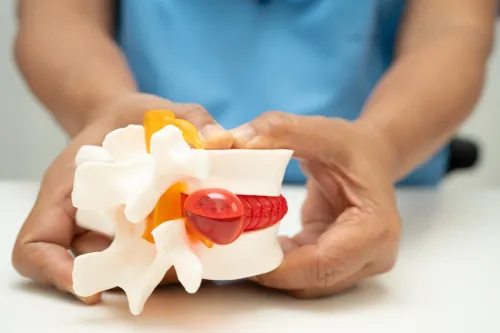
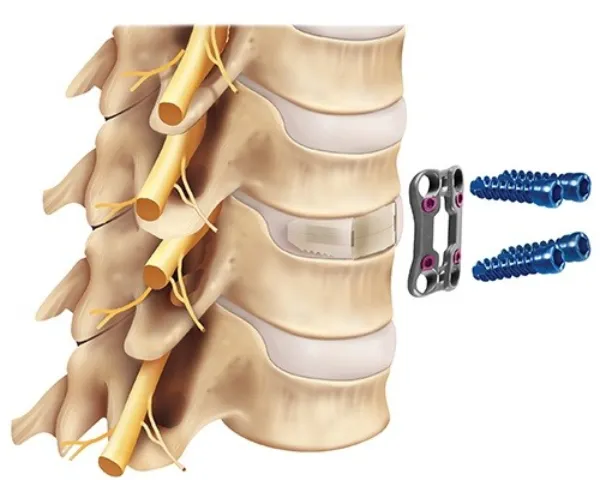
The cervical spine is approached from the front of the neck. The damaged disc is removed and pressure on neurological structures is relieved.
A spacer or bone graft is positioned between the vertebrae, and stabilization may be added to support fusion.
Conditions That May Need ACDF
The procedure may be considered for:
- Cervical disc herniation
- Nerve root compression
- Cervical spinal cord compression
- Degenerative disc disease
- Selected cervical stenosis
- Certain forms of instability
Potential Benefits
Treatment may help:
- Reduce arm pain
- Relieve nerve pressure
- Improve hand function
- Improve walking stability
- Stabilize the treated level
- Reduce neurological deterioration in selected cases
Possible Risks
Potential risks include:
- Infection
- Bleeding
- Nerve injury
- Spinal cord injury
- Difficulty swallowing
- Voice changes
- Failure of fusion
- Implant complications
- Persistent symptoms
Preparing for Surgery
Patients may need MRI review, X-rays, blood tests, medical fitness, and anaesthesia assessment.
Smoking should be discussed because nicotine can interfere with spinal fusion.
Blood-thinning medicines, diabetes medication, supplements, and allergies should also be reviewed.
Recovery After ACDF
Walking may begin early when the patient is medically stable.
Temporary throat discomfort is common after the anterior approach. Office-based work may resume within a few weeks for some patients.
Fusion itself develops gradually over several months and may be monitored using follow-up imaging.
Post-Treatment Care
Patients should follow recommendations regarding:
- Wound care
- Medication
- Neck movement
- Driving
- Lifting
- Physiotherapy
- Follow-up appointments
Common Questions About ACDF
Will neck movement disappear after surgery?
No. Only the treated level is fused, while other cervical levels continue to move.
How long does fusion take?
Fusion develops over several months and varies according to bone health, smoking status, and other factors.
When can driving resume?
Driving should restart only when movement is safe and medication does not affect alertness.
If cervical nerve compression is causing persistent arm pain, weakness, hand clumsiness, or balance changes, a consultation with Dr. Rahul Chaudhari in Pune can help determine whether Anterior Cervical Discectomy & Fusion is appropriate.
Keywords